
Overview
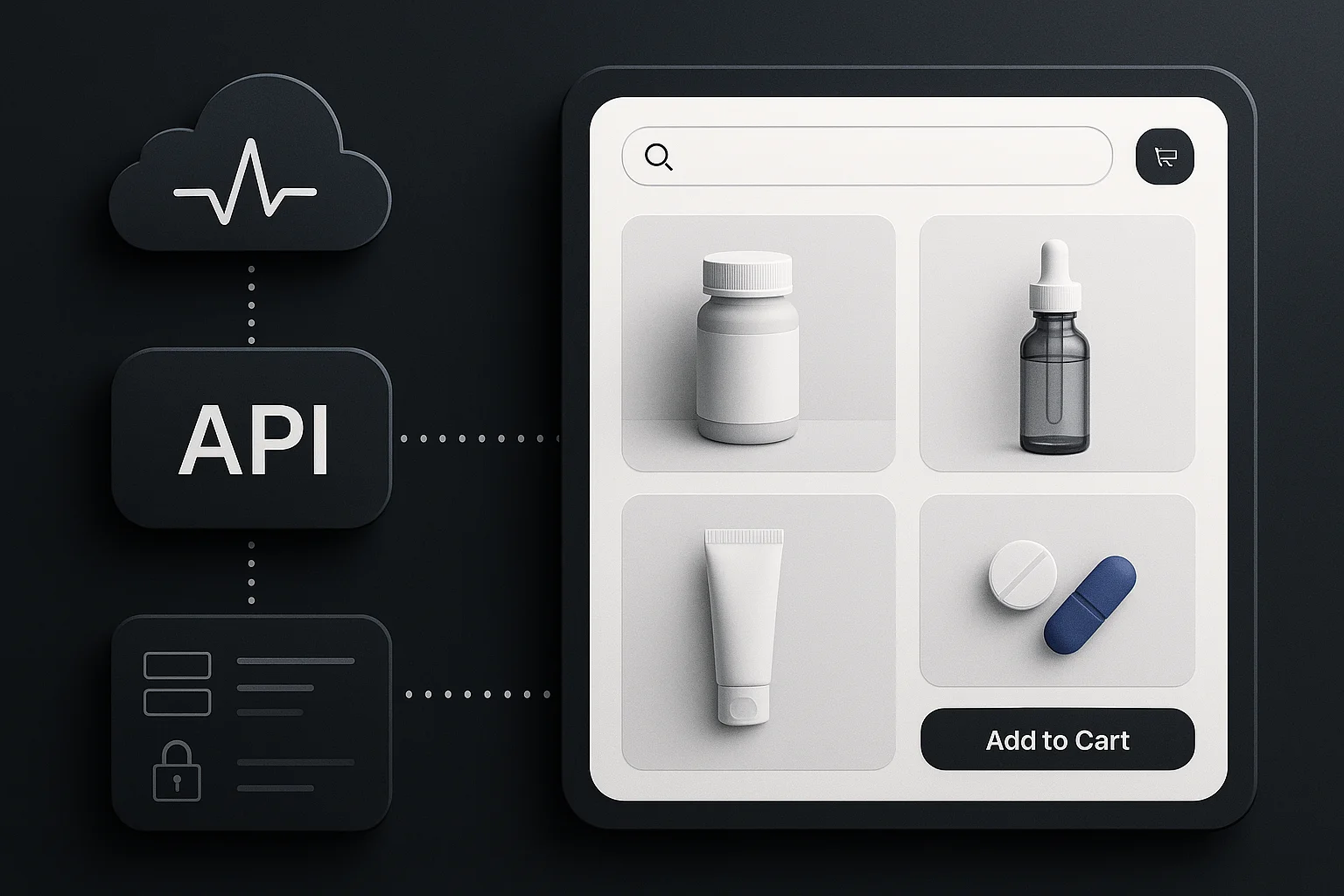
This project is a modern, high-performance e-commerce storefront built on a headless WooCommerce backend and a React + TypeScript frontend.
The project started as a Remix application and was later migrated to React Router v7 (commonly described as “Remix 3” because it brings the Remix-style data APIs and routing model into React Router). Mentioning Remix remains important: the architectural approach, mental model, and much of the ecosystem overlap—and many teams still search for “Remix commerce” solutions even when the current runtime is React Router v7.
Instead of rendering the shop through a traditional WordPress theme, the UI is implemented as an independent web application. Commerce data is fetched from WooCommerce via WPGraphQL (including WPGraphQL WooCommerce), enabling the frontend to be fast, flexible, and tailored to the brand experience.
A key strategic requirement for this project is data sovereignty: with this setup, the client owns the infrastructure and can run the full stack without relying on additional third‑party commerce processors. This is especially important when customer data may be sensitive (e.g., healthcare-related context), where minimizing external data processors and controlling data flows can be a major compliance and trust advantage.
What the Project Does
1) Headless commerce storefront
- Fetches product and customer data from WooCommerce through GraphQL.
- Supports product browsing and product presentation patterns (teasers, galleries, reviews).
- Implements customer/account flows and server-side services for customer and cart operations.
2) Structured site sections beyond “just products”
- Category/content layouts (e.g., Hautpflege, Milbenschutz).
- Static legal pages (AGB, Datenschutz, Impressum, Widerrufsbelehrung).
- Editorial content routes (e.g., Ratgeber) that can mix content with product teasers.
3) Reusable UI components (design-system approach)
A set of reusable components enables consistent page composition:
- Hero sections, breadcrumbs, teaser cards, testimonials, text/media sections
- Specialized product components (image gallery, reviews)
4) Integrations and customer support tooling
- Includes Rocket.Chat initialization code for embedded live chat/support.
Primary Benefits
Data sovereignty & privacy posture (client-owned infrastructure)
- The client can host and operate the storefront and backend on their own infrastructure.
- No mandatory third-party commerce platforms are required in the request path to render the storefront or manage orders.
- This reduces the number of external processors that handle customer data—an important benefit for sensitive domains where data minimization and control matter (including healthcare-adjacent customer journeys).
Note: Payment processing can still involve a payment provider depending on the chosen method, but the core storefront + commerce system itself is not dependent on a third-party hosted SaaS commerce platform.
Speed, UX quality, and Core Web Vitals
A headless frontend improves real-user speed and UX because it removes common bottlenecks of theme + plugin rendering and replaces them with a performance-oriented app architecture.
Benefits for Core Web Vitals specifically:
- LCP (Largest Contentful Paint): Server rendering and route-level data loading can deliver the meaningful page content faster than a plugin-heavy theme that waits on multiple client-side scripts.
- CLS (Cumulative Layout Shift): Component-driven layouts make it easier to reserve space for images and UI elements up front, reducing unexpected shifts caused by late-loading widgets and injected DOM.
- INP (Interaction to Next Paint): Smaller, more deliberate JavaScript payloads and fewer third-party scripts reduce main-thread work, improving responsiveness for interactions like opening the cart, switching product images, or moving through checkout steps.
Why this setup helps in practice:
- Fewer “global” scripts compared to many WordPress theme stacks
- More control over what loads on each route (instead of loading everything everywhere)
- Ability to optimize images and above-the-fold rendering for product and landing pages
- Better control over caching and headers at the application layer
Performance & SEO
- Server-side rendering (SSR) and route-level data loading (Remix-style model, now via React Router v7) improve initial load time and SEO.
- Fine-grained data loading reduces over-fetching and keeps pages lean.
- Better control over caching, headers, and request behavior compared to traditional monolithic setups.
Brand-first UX (without WordPress theme constraints)
- The storefront UI is fully custom: page templates, product modules, and editorial layouts can be tailored to the brand.
- Enables UI patterns that are difficult or fragile in standard WordPress theme + plugin environments.
WooCommerce operational simplicity still applies
- The headless architecture does not remove the practical advantages of WooCommerce for daily operations.
- Teams can continue to rely on WooCommerce’s familiar admin flows for:
- product management
- order processing
- customer management
- promotions and basic operational workflows
- This preserves the “day-to-day simplicity” while still upgrading the customer-facing experience.
Cleaner integration surface with GraphQL
- WPGraphQL provides a structured API for WooCommerce data.
- GraphQL allows requesting exactly the data needed per route/component.
- The frontend can evolve independently of backend template constraints.
Maintainability & scalability
- TypeScript enforces consistent contracts and reduces runtime issues.
- Clear separation of concerns:
- UI components:
app/components/* - Server-side API/cart/customer logic:
app/services/* - Route-based pages/layouts:
app/routes/* - Utilities and shared types:
app/utils/*and component-specific types
- UI components:
Flexible content + commerce blending
- Editorial pages can embed product selections, enabling content-driven commerce strategies (SEO landing pages, education-first selling, etc.).
Proper Git workflow (staging → live)
- The project is built to support a professional deployment workflow with:
- a staging environment for validation and QA
- a live/production environment for customers
- This enables safer releases, easier rollbacks, and a clearer change management process compared to “editing live” practices common in traditional WordPress setups.
Technology Stack
Frontend runtime and application framework
- React
- React Router v7 (Remix-style routing/data model; often referred to as “Remix 3”)
- Originated as Remix (important for context, searchability, and architectural lineage)
- TypeScript
Styling and UI approach
- Utility-first styling and composable components (Tailwind-style patterns are implied by class naming and structure)
- Component-driven page assembly (Hero, Breadcrumbs, product modules, etc.)
Backend / data layer
- WordPress + WooCommerce
- WPGraphQL and WPGraphQL WooCommerce for GraphQL-based commerce operations
Service layer (server-side)
- Server-side GraphQL layer for cart, session and customer data (login, addresses, password flows)
Integrations
- Embedded live chat for customer support
Why This Is Better Than “Normal” WooCommerce Solutions
Compared to a classic WooCommerce theme
Traditional approach: WordPress theme + PHP templates + many plugins
This approach: Headless WooCommerce + React Router v7 (Remix-style) frontend + GraphQL
Key advantages:
- UX control: The UI is not limited by theme templates or WordPress rendering constraints.
- Performance: SSR + route loaders/actions generally outperform plugin-heavy themes.
- Developer velocity: Frontend features ship without touching PHP templates or theme logic.
- Stronger architecture: Clear separation between presentation (frontend) and commerce engine (WooCommerce).
- Composable UI: Reusable components allow building pages faster and more consistently.
- More control over data flows: Client-owned infrastructure reduces dependency on third-party processors—important for sensitive customer data contexts.
Compared to “page builder” setups
- Page builders often introduce performance overhead and inconsistent markup.
- A component system provides predictable structure, accessibility, and maintainability.
Compared to building a custom commerce backend
- WooCommerce remains the mature commerce engine (products, orders, payments, shipping ecosystem).
- The headless frontend provides modern web benefits without rebuilding commerce primitives from scratch.
Why the Remix → React Router v7 Move Matters
The migration preserves the core benefits of the Remix model (nested routes, server-first data loading patterns, and predictable request handling) while aligning the project with the evolving React Router ecosystem.
Practical outcomes:
- Maintains the “Remix way of building” (route-driven data and UI composition)
- Reduces framework lock-in concerns while keeping the same architectural strengths
- Keeps hiring/search visibility: teams familiar with Remix can onboard quickly, and external stakeholders still recognize the approach as “Remix-style headless commerce”
Next steps: connecting shop, ERP, support and reporting
The headless setup is the foundation for connecting the shop to the systems behind it:
- Order and stock sync between shop, ERP and warehouse
- Returns and support workflows that route and prepare requests automatically
- Reporting on a clean data foundation instead of manual exports
Summary
This project modernizes WooCommerce by turning it into a headless commerce engine and pairing it with a Remix-originated architecture now running on React Router v7 (“Remix 3”).
It delivers:
- a brand-tailored, high-performance storefront with improved Core Web Vitals potential,
- continued WooCommerce simplicity for day-to-day operations,
- a professional Git-based staging → live workflow,
- and stronger control over infrastructure and customer data handling (important for sensitive data contexts).
And it’s the foundation for connecting shop, ERP, support and reporting into one system.